

Pipe joints are one of the most critical components in industrial, commercial, and residential piping systems. From water transportation and oil pipelines to HVAC systems and chemical processing plants, selecting the right pipe joint directly affects safety, durability, leak prevention, and operational efficiency. This comprehensive guide explains the different types of pipe joints, their applications, installation methods, common problems, material selection, maintenance tips, and industry trends to help buyers and engineers make informed decisions.
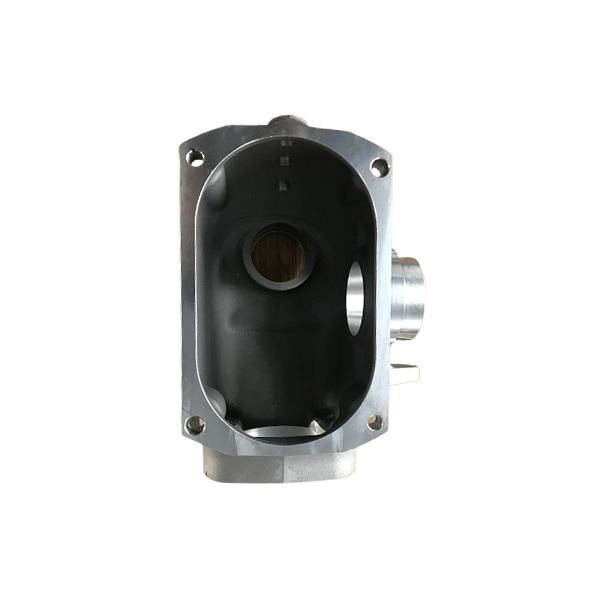
This article provides a detailed overview of pipe joints, including classifications, working principles, industrial uses, installation practices, advantages, disadvantages, maintenance methods, and purchasing considerations. Whether you are involved in construction, manufacturing, plumbing, petrochemical engineering, or infrastructure development, understanding pipe joint technology can improve system reliability and reduce long-term costs.
A pipe joint is a connection mechanism used to join two or more pipe sections together within a piping system. These joints ensure the safe transport of liquids, gases, chemicals, steam, or other substances while maintaining structural integrity and minimizing leakage.
Pipe joints can be permanent or detachable depending on the operational requirements. They are widely used in industries such as construction, oil and gas, chemical processing, water treatment, marine engineering, food processing, and fire protection systems.
| Feature | Description |
|---|---|
| Function | Connect pipes securely |
| Purpose | Prevent leaks and maintain flow efficiency |
| Applications | Industrial, commercial, residential systems |
| Materials | Steel, copper, PVC, brass, stainless steel, alloy |
The quality of a pipe joint significantly impacts the performance and reliability of an entire piping network. Poorly designed or improperly installed joints may lead to leaks, pressure loss, contamination, and costly downtime.
High-performance pipe joints provide:
In critical industries such as petrochemical processing or pharmaceutical manufacturing, even minor leakage can result in safety hazards and environmental risks. Therefore, selecting reliable pipe joints is essential for operational stability.
Different piping systems require different connection methods. Below are the most widely used pipe joint types.
Threaded joints use screw threads to connect pipes and fittings. These are commonly used in low-pressure plumbing systems and residential applications.
Advantages:
Limitations:
Welded joints provide permanent and highly durable connections by melting pipe materials together. They are commonly found in oil pipelines, power plants, and heavy industrial systems.
Advantages:
Limitations:
Flanged joints use bolted flanges and gaskets to connect pipes. These are popular in large industrial piping systems where regular maintenance is necessary.
These joints involve inserting one pipe end into another pipe socket. They are widely used in underground drainage and water supply systems.
Compression joints use compression rings and nuts to create a tight seal. They are frequently used in copper and plastic piping systems.
Material selection determines corrosion resistance, temperature tolerance, and service life. Choosing the wrong material may cause premature system failure.
| Material | Advantages | Common Applications |
|---|---|---|
| Stainless Steel | Corrosion resistant, durable | Chemical, food industries |
| Carbon Steel | High strength | Oil and gas pipelines |
| PVC | Lightweight, affordable | Residential plumbing |
| Copper | Excellent thermal conductivity | HVAC systems |
| Brass | Good corrosion resistance | Water supply systems |
Pipe joints are essential across numerous industries due to their versatility and reliability.
High-pressure welded and flanged joints are widely used in upstream and downstream operations.
Corrosion-resistant pipe joints ensure clean water transportation and efficient wastewater management.
Residential and commercial buildings rely on durable pipe joints for plumbing and HVAC systems.
Sanitary stainless steel joints help maintain hygiene and prevent contamination.
Choosing the proper pipe joint depends on several technical and operational factors.
For example, chemical plants typically require corrosion-resistant stainless steel joints, while residential water systems may use PVC or brass joints for cost efficiency.
Always evaluate pressure ratings and temperature resistance before purchasing pipe joints. Selecting a low-grade joint for demanding applications may lead to leakage, downtime, and safety hazards.
Correct installation procedures are essential for maximizing pipe joint performance.
Improper alignment is one of the most common causes of premature joint failure. Even high-quality pipe joints can fail if installation standards are ignored.
Routine inspection helps identify early signs of wear, corrosion, or leakage.
| Inspection Item | Recommended Frequency |
|---|---|
| Leak Detection | Monthly |
| Bolt Tightness | Quarterly |
| Corrosion Inspection | Every 6 months |
| Pressure Testing | Annually |
Preventive maintenance significantly extends the service life of piping systems and minimizes costly shutdowns.
Despite their durability, pipe joints may encounter operational issues over time.
Implementing regular inspections and using high-quality materials can greatly reduce these issues.
| Joint Type | Strength | Maintenance | Cost | Best Use |
|---|---|---|---|---|
| Threaded | Medium | Easy | Low | Residential plumbing |
| Welded | Very High | Difficult | High | Industrial systems |
| Flanged | High | Moderate | Medium | Large pipelines |
| Compression | Medium | Easy | Medium | Copper piping |
Modern industries increasingly demand higher efficiency, safety, and sustainability. As a result, pipe joint technologies continue to evolve.
Automation and digital monitoring systems are also becoming more common in industrial piping networks, enabling predictive maintenance and real-time system diagnostics.
Welded pipe joints are generally considered the strongest because they create a permanent and highly durable connection.
Flanged and welded joints are commonly used for high-pressure industrial applications due to their superior sealing and structural strength.
Proper installation, correct gasket selection, regular inspection, and using compatible materials can significantly reduce leakage risks.
The lifespan depends on material quality, operating conditions, maintenance frequency, and environmental exposure. High-quality industrial pipe joints can last decades.
Stainless steel joints offer higher strength and corrosion resistance, while PVC joints are lighter and more economical for low-pressure applications.
Pipe joints play a vital role in ensuring the safety, efficiency, and reliability of piping systems across numerous industries. Understanding different joint types, material options, installation methods, and maintenance requirements helps businesses reduce operational risks and improve long-term performance.
Whether for industrial processing plants, commercial buildings, or residential plumbing systems, selecting the right pipe joint solution is essential for achieving stable and leak-free operation.
Ningbo Yinzhou Kuangda Trading Co., Ltd. specializes in high-quality pipe joint products designed for durability, safety, and long-term performance across multiple industries.
Contact us today to discuss your project requirements and discover customized piping solutions tailored to your business needs.


