

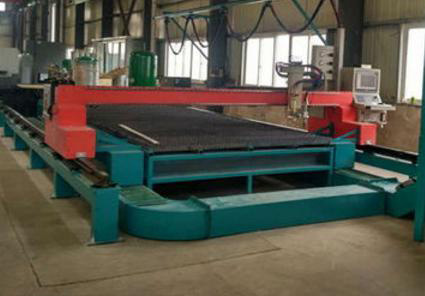
In metal fabrication and industrial cutting applications, equipment protection and structural durability play an important role in ensuring stable operation. As a key protective component, the Shell of Gas Cutting Machine provides mechanical protection for internal parts while improving equipment safety, appearance, and service reliability.
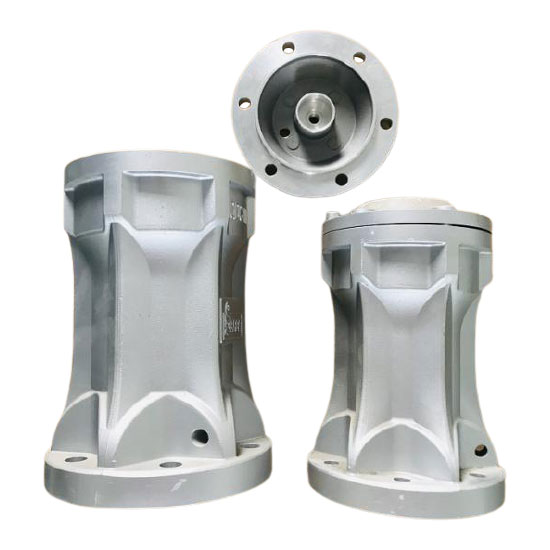
In industrial machinery, the reliability of a complete assembly is often determined by the accuracy and stability of its connecting components. Body housings and fitting joints may appear relatively simple compared with motors, pumps, valves, or control systems, but they provide the structural interfaces that allow different components to operate together under mechanical loads, vibration, pressure, and changing temperatures.
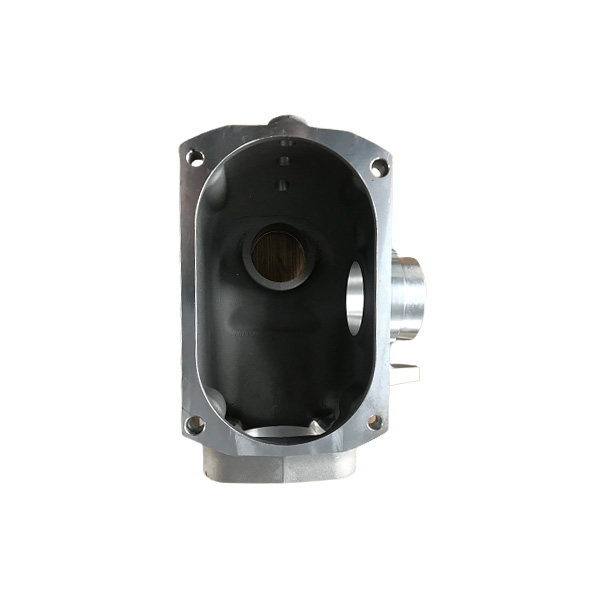
Pipe joints are one of the most critical components in industrial, commercial, and residential piping systems. From water transportation and oil pipelines to HVAC systems and chemical processing plants, selecting the right pipe joint directly affects safety, durability, leak prevention, and operational efficiency. This comprehensive guide explains the different types of pipe joints, their applications, installation methods, common problems, material selection, maintenance tips, and industry trends to help buyers and engineers make informed decisions.
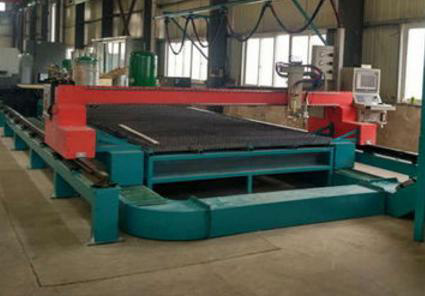
The shell of a gas cutting machine is more than just an outer covering—it is a critical structural and protective component that directly affects cutting precision, machine durability, operator safety, and overall production efficiency. Many industrial users face recurring problems such as deformation, heat damage, instability, and maintenance difficulty, often without realizing that the root cause lies in the machine’s shell design and material quality.
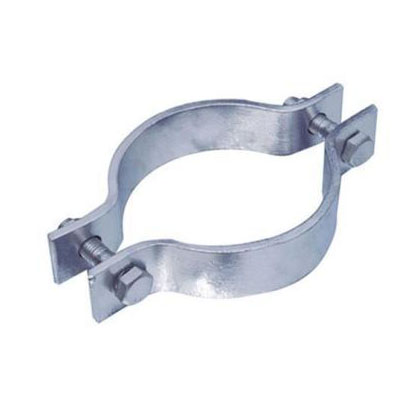
Electric power systems rely on a vast network of components working seamlessly together to ensure reliable electricity transmission and distribution. Among these essential components, electric power fittings play a vital yet often overlooked role. From ensuring mechanical stability to maintaining electrical continuity, these fittings directly impact the safety, efficiency, and longevity of power infrastructure. Whether you are an engineer, procurement specialist, or project manager, understanding electric power fittings can help you make better decisions, reduce operational risks, and optimize costs.
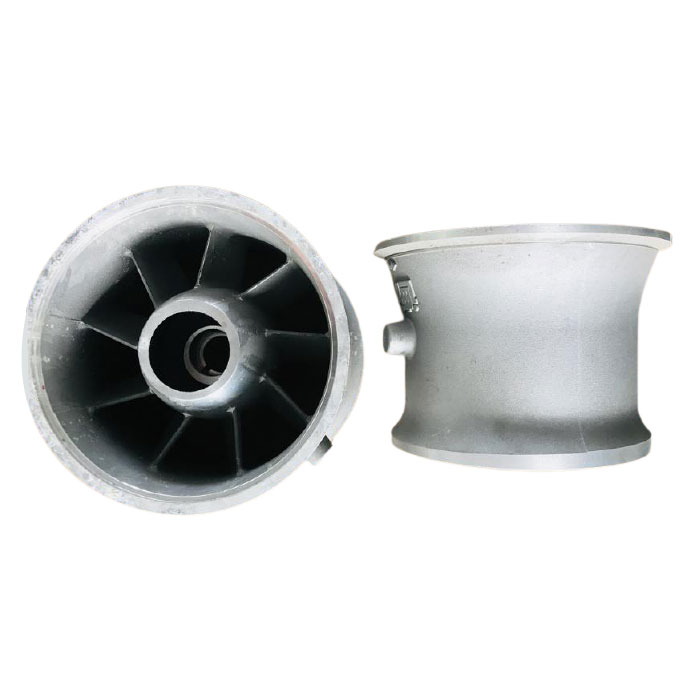
Blower impellers are an essential component in many industrial systems. They are responsible for moving air or gas through a system, making them key to various applications like ventilation, air-conditioning, and pneumatic conveying. This blog explores the significance of blower impellers, their types, materials, applications, and maintenance. We’ll also look at METALLECA’s innovative blower impellers and how they stand out in the market.


